Growing a business online involves more than creating a website or posting regularly on social media. Businesses need to reach the right audience, communicate their value clearly, and give potential customers a reason to take the next step.
A digital marketing agency can help bring these activities together through a strategy built around your business goals. Depending on your needs, this may include search engine optimization (SEO), website development, Google Ads, social media marketing, content creation, and brand development.
However, not every business needs every service, and hiring an agency is not automatically the right decision for everyone. Understanding what agencies do, how their services work, and how to evaluate their approach can help you make a more informed choice.
This guide explains the role of a digital marketing agency, the services businesses commonly use, and what to consider before choosing a marketing partner.
What Does a Digital Marketing Agency Do?
A digital marketing agency helps businesses promote their products or services through online channels. Its work can range from improving organic search visibility and running paid advertising campaigns to developing websites and creating content for digital platforms.
The exact responsibilities depend on the agency’s expertise and the client’s requirements. Some agencies specialise in one area, such as SEO or paid advertising, while others offer a combination of marketing, design, development, and branding services.
Typical responsibilities may include:
- Understanding business goals, target customers, and competitors.
- Researching relevant search terms and audience behaviour.
- Improving website content, structure, and user experience.
- Planning and managing paid advertising campaigns.
- Developing content for websites, blogs, and social media.
- Measuring campaign performance and identifying opportunities for improvement.
The purpose is to connect marketing activity with business objectives. Depending on the business, those objectives may include qualified enquiries, online sales, brand awareness, website engagement, or customer retention.
A good agency should explain why it recommends a particular approach, what the work involves, how success will be measured, and what limitations or uncertainties may affect the results.
When Does a Business Need a Digital Marketing Agency?
Hiring an agency can make sense when a business needs specialist skills, additional capacity, or a more organised approach to online marketing.
Strategic Direction
Instead of random tactics, you get a clear roadmap.
Data-Driven Decisions
Real metrics. Real tracking. Real ROI.
Time Efficiency
Focus on running your business while experts handle growth.
Competitive Advantage
Stay ahead of competitors who are already investing in digital.
Your Business Struggles to Reach the Right Audience
If potential customers cannot easily find your business online, you may need to improve your search visibility, content, advertising, or overall digital presence.
The right approach depends on how customers search for your products or services and which channels are most relevant to them.
Your Website Attracts Visitors but Few Enquiries
Website traffic alone does not guarantee business results. Visitors need clear information, a useful browsing experience, relevant calls to action, and a straightforward way to contact you or make a purchase.
Website design, landing page improvements, conversion tracking, and content optimisation can help identify and address potential barriers.
You Want to Run Paid Campaigns More Effectively
Google Ads and social media advertising can help businesses reach selected audiences, but campaign management involves more than setting a budget and publishing an advertisement.
Keyword selection, audience targeting, landing pages, conversion tracking, and ongoing optimisation all influence performance.
Your Team Lacks Time or Specialist Skills
SEO, website development, paid advertising, content creation, and analytics require different skills. An agency may help fill those gaps without requiring your business to build every capability internally.
Before hiring one, consider whether you need ongoing support, a defined project, or help with a specific marketing challenge.
You Need a Clearer Marketing Strategy
Businesses sometimes invest in several channels without understanding how those activities support the same objective.
A coordinated strategy can help prioritise the most important opportunities, allocate resources sensibly, and establish how performance will be evaluated.
Key Digital Marketing Services Explained
Digital marketing services serve different purposes. The most suitable combination depends on your audience, budget, competition, sales process, and current online presence.
1. Search Engine Optimization (SEO)
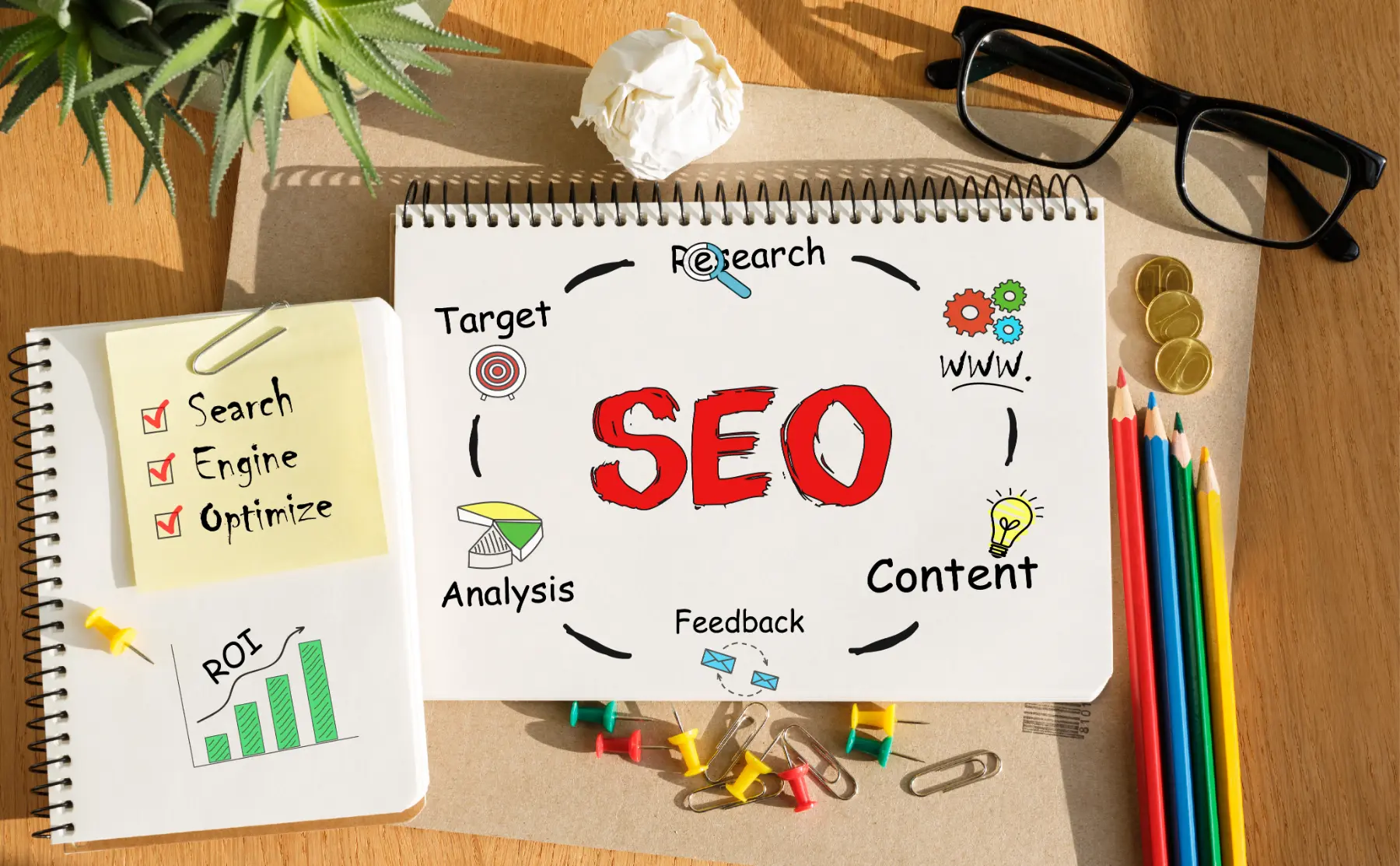
SEO helps improve a website’s visibility in organic search results for relevant queries. It can involve keyword research, technical improvements, content optimisation, internal linking, local SEO, and earning relevant links from other websites.
For example, a local service provider may want to appear when nearby customers search for a service it offers. An online store may focus on improving the visibility of its category and product pages.
SEO generally requires consistent work and monitoring. Results depend on factors such as competition, website condition, content quality, and search demand.
Read our guide to SEO services for small businesses to understand the main components of a small-business SEO strategy.
2. Website Design and Development
Your website often serves as the central destination for people who discover your business through search engines, advertisements, social media, or referrals.
A well-planned website should communicate what you offer, help visitors find relevant information, work across devices, and make important actions easy to complete.
Website design and development may include:
- Responsive layouts for mobile, tablet, and desktop.
- Clear navigation and page structure.
- Fast, reliable performance.
- Landing pages aligned with marketing campaigns.
- Contact forms, enquiry flows, or ecommerce functionality.
- Analytics and conversion tracking where appropriate.
The right website is not simply about appearance. It should support the needs of your audience and the objectives of your business.
Explore our website and development services to learn more about the solutions available for your business.
3. Google Ads and Paid Advertising
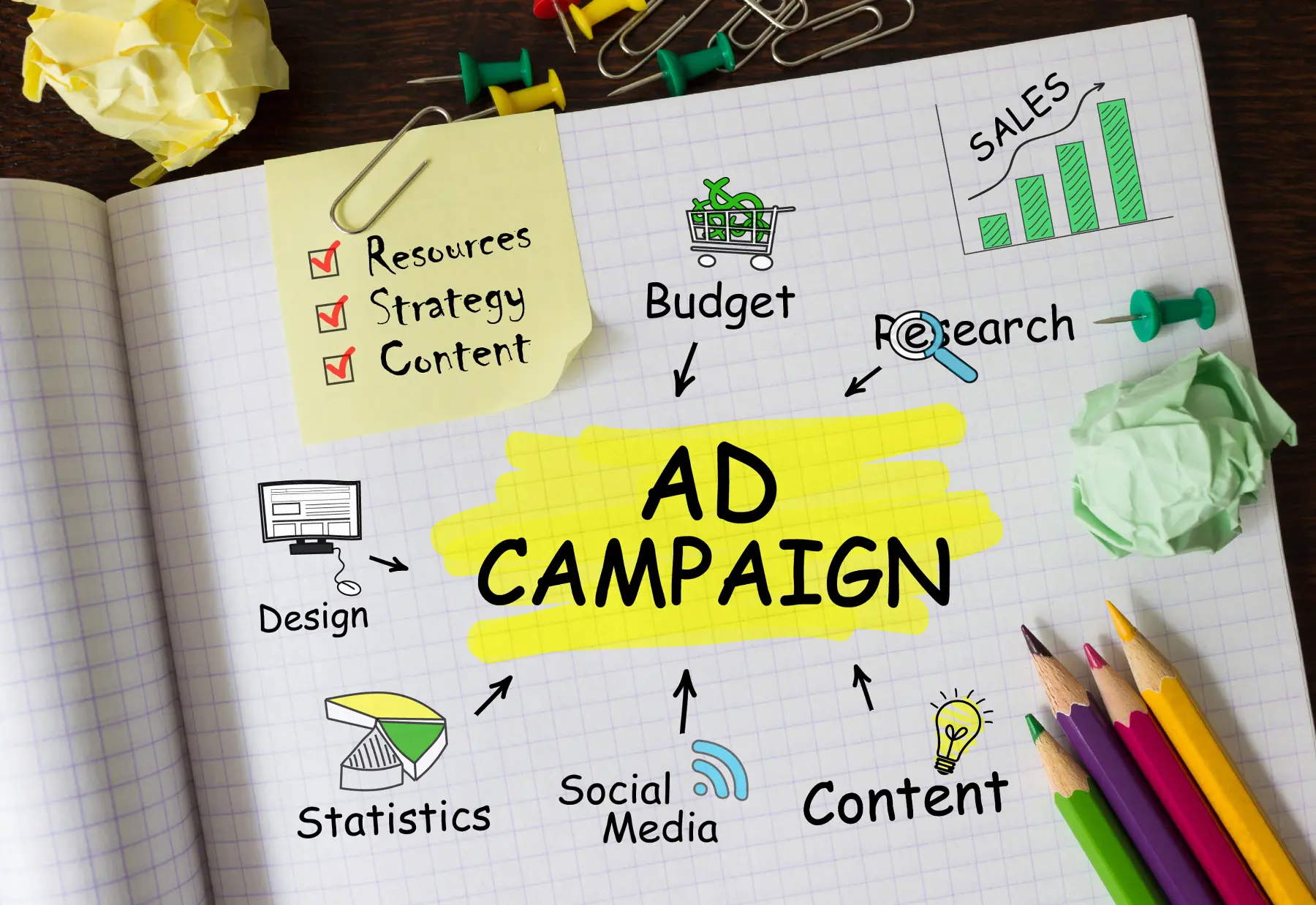
Paid advertising helps businesses reach potential customers through sponsored placements on search engines and other advertising platforms.
Google Ads can be useful when people are actively searching for products or services. Social advertising can help businesses introduce offers, reach selected audiences, and reconnect with people who have previously interacted with their brand.
Effective campaign management involves choosing suitable targeting, setting budgets, creating relevant ads, directing visitors to appropriate landing pages, and measuring meaningful actions.
Paid advertising can generate traffic soon after campaigns are approved and launched, but results are not guaranteed. Costs and performance depend on competition, targeting, offer quality, conversion experience, and other factors.
For a practical overview, read our Google Ads guide for small businesses.
4. Social Media Marketing
Social media marketing helps businesses communicate with their audiences through platforms such as Facebook, Instagram, LinkedIn, and other relevant networks.
Depending on the business, this may involve content planning, creative development, community engagement, paid campaigns, and performance analysis.
The best platform depends on where your audience spends time and how they make purchasing decisions. A business-to-business company may prioritise professional audiences, while a consumer brand may focus on visual content and product discovery.
Consistent activity is useful, but publishing frequently without a clear purpose does not necessarily produce meaningful results. Content should support a defined goal, such as awareness, engagement, enquiries, or sales.
5. Content Marketing
Content marketing involves creating useful information that answers audience questions, explains products or services, and supports customers throughout their decision-making process.
Common formats include blog articles, guides, case studies, videos, landing pages, and email content.
Useful content can support SEO, help customers understand complex services, and give potential buyers more confidence when evaluating options. Its effectiveness depends on relevance, accuracy, usefulness, and how well it addresses the audience’s needs.
6. Branding and Creative Services
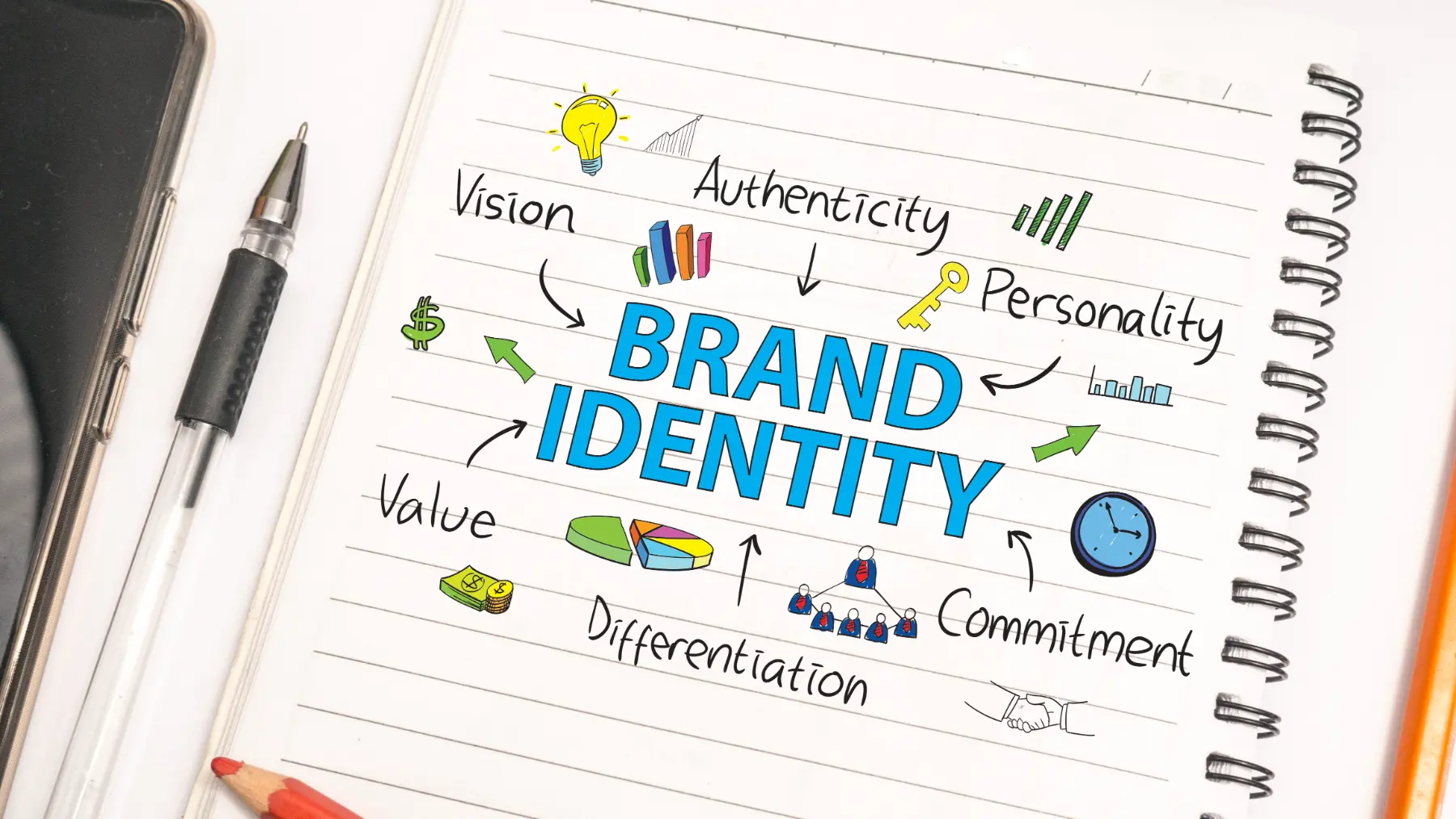
Branding helps establish how people recognise and understand a business. It can include positioning, messaging, visual identity, logo design, and creative assets used across marketing channels.
A consistent brand experience helps customers recognise the business and understand what it stands for. Branding should reflect the company’s actual values, audience, products, and market position rather than relying only on visual trends.
For businesses updating their identity or launching a new offering, branding and digital marketing can work together to create a more consistent experience across the website, advertising, and social media.
How to Choose the Right Digital Marketing Agency
Choosing an agency involves more than comparing service lists or selecting the lowest quotation. You need a partner whose capabilities, communication, and working approach fit your requirements.
Look for Relevant Experience
Review the agency’s previous work, case studies, and experience with projects similar to yours. Ask what the agency was responsible for and how it evaluated the outcome.
A relevant example is more useful than a broad claim about expertise. If an agency cannot share confidential client data, it should still be able to explain its process and the type of work completed.
Understand the Proposed Strategy
An agency should first understand your business, audience, goals, current challenges, and available resources.
Be cautious of proposals that recommend the same package to every business without explaining why the services are suitable for your situation.
Ask which activities will be prioritised, what will be delivered, and how the proposed work connects to your objectives.
Ask How Performance Will Be Measured
Before work begins, agree on the metrics that matter to your business.
Depending on your goals, these may include qualified leads, sales, cost per acquisition, conversion rate, relevant organic traffic, or campaign revenue.
Also clarify how tracking will be implemented, how often reporting will be provided, and what the reports will include.
Check Communication and Reporting
You should know who manages your project, how often you will receive updates, and how questions or changes will be handled.
Clear communication helps prevent misunderstandings about deadlines, deliverables, budgets, and responsibilities.
Ask whether you will have a regular point of contact and what information you will need to provide to keep the project moving.
Clarify Pricing and Scope
Agency fees vary according to the services required, project complexity, competition, campaign budget, and level of ongoing support.
Before committing, clarify what is included, what is charged separately, and whether advertising spend is included in the agency’s fee.
For website projects, confirm the scope of design, development, revisions, integrations, and post-launch support. For marketing campaigns, confirm the work covered by the management fee.
Retain Ownership of Important Accounts and Data
Your business should understand who owns and controls its website, domain, analytics, advertising accounts, creative assets, and customer data.
Confirm that you will have appropriate access to the relevant accounts and that reporting and tracking arrangements are clear.
Account ownership and access should be agreed upon before the project begins, not left until the working relationship ends.
Avoid Unrealistic Promises
No agency can responsibly guarantee a specific Google ranking, a fixed number of sales, or a particular advertising return in every situation.
Results depend on competition, demand, budget, the offer, website experience, and other factors outside an agency’s direct control.
Look for an agency that explains its approach, sets measurable objectives, reports honestly, and adjusts its strategy based on evidence.
How Much Does a Digital Marketing Agency Cost?
There is no single price for hiring a digital marketing agency. Costs depend on the services you need, the amount of work involved, the experience required, and whether the engagement is project-based or ongoing.
For example, a business hiring an agency for a one-time website project has different requirements from a company running ongoing SEO and paid advertising campaigns.
Common pricing arrangements include:
- Fixed project fees: Suitable for defined projects such as website development, branding, or a specific landing page.
- Monthly retainers: Often used for ongoing SEO, social media management, advertising management, or continuing marketing support.
- Campaign management fees: Used for planning, managing, and optimising advertising campaigns. Advertising spend may be separate.
- Custom engagements: Designed for businesses that need a combination of marketing, development, creative, or strategic services.
When comparing proposals, look beyond the headline price. Review the scope, deliverables, reporting, expertise, communication, and any additional costs.
A lower fee may not cover the work your business needs, while a more expensive package is not automatically better. The right choice is the one that fits your goals, resources, and expected business value.
How to Measure Digital Marketing Performance
A useful marketing report should explain what happened, why it matters, and what the business should consider doing next.
The right metrics depend on the objective of each activity.
Website and SEO Performance
For organic search and website improvements, relevant measures may include:
- Organic search impressions and clicks.
- Relevant search queries and landing pages.
- Qualified organic traffic.
- Enquiries or sales from organic visitors.
- Engagement with important website pages.
Rankings and traffic can provide useful context, but they should not be treated as the only measures of success.
Paid Advertising Performance
For paid campaigns, businesses may monitor:
- Impressions and clicks.
- Click-through rate and cost per click.
- Conversions and conversion rate.
- Cost per qualified lead or acquisition.
- Revenue and return on advertising spend, where tracking is reliable.
The interpretation of these metrics depends on the business model, sales cycle, margins, and quality of conversion tracking.
Lead Quality and Business Outcomes
Not every enquiry becomes a customer. Businesses that rely on leads should consider whether enquiries are relevant, whether sales teams can follow up effectively, and how many leads progress through the sales process.
Where possible, connect marketing reports with sales outcomes so that decisions are based on business value rather than activity alone.
Reliable measurement also depends on correctly configured analytics, conversion tracking, and consistent reporting definitions.
Common Mistakes to Avoid When Hiring a Digital Marketing Agency
Businesses can waste time and money when they choose services without first defining what they need.
Watch out for these common mistakes:
- Choosing solely on price: Compare the scope and expected deliverables, not just the quotation.
- Expecting immediate results from every channel: Paid campaigns may generate activity quickly, while SEO and brand development generally require sustained work.
- Focusing only on traffic or rankings: Connect marketing metrics with enquiries, sales, or other relevant outcomes.
- Ignoring the website experience: More visitors will not necessarily help if the website fails to communicate value or guide users towards the next step.
- Starting without clear goals: Agree on priorities, responsibilities, and measures of success before work begins.
- Accepting vague reporting: Request clear explanations of progress, challenges, and planned improvements.
- Giving up before evaluating progress properly: Review performance against realistic expectations and an agreed evaluation period.
A structured working relationship makes it easier to identify problems, assess progress, and decide where to invest next.
Conclusion: Choosing an Agency That Fits Your Goals
A digital marketing agency can help a business improve its online presence, reach relevant audiences, and coordinate activities across its website, search engines, advertising, content, and branding.
However, the right approach depends on your business goals and current situation. Some companies need a stronger website first. Others may benefit from SEO, paid advertising, or a combination of services.
Before choosing an agency, identify the challenge you want to solve, review relevant experience, understand the proposed strategy, and agree on how performance will be measured.
The best working relationship is built on clear communication, realistic expectations, transparent reporting, and a shared understanding of what success means for your business.
Ready to Discuss Your Digital Marketing Goals?
If you are planning to improve your website, increase search visibility, launch advertising campaigns, or strengthen your brand, Foxco Media can help you explore the options that fit your requirements.
We provide digital marketing, website development, branding, and related digital services for businesses looking to build a stronger online presence.
Explore our services or contact Foxco Media to discuss your project and identify suitable next steps.
- FAQ's
Frequently Asked Questions
What does a digital marketing agency do?
A digital marketing agency helps businesses promote their products or services through online channels. Depending on its expertise, it may provide SEO, website development, paid advertising, social media marketing, content creation, branding, and performance reporting.
How do I choose a digital marketing agency?
Start by defining your goals and budget. Then evaluate the agency’s relevant experience, proposed strategy, reporting process, communication, pricing, and approach to account ownership. Choose a partner that can explain how its work will support your business objectives.
How much does it cost to hire a digital marketing agency?
The cost depends on the services, project scope, campaign complexity, and level of ongoing support. Request a proposal that clearly outlines deliverables, fees, additional costs, and how performance will be evaluated.
How long does digital marketing take to show results?
There is no universal timeline. Paid advertising can begin generating traffic after campaigns are approved and launched, while SEO and content marketing generally require consistent work over a longer period. Actual outcomes depend on competition, budget, strategy, and the business’s starting position.
Should I hire an agency or build an in-house marketing team?
An agency can provide access to specialist skills and additional capacity, while an in-house team offers closer day-to-day involvement in the business. Some companies use a combination of both. The right option depends on your workload, budget, internal expertise, and need for ongoing control.
Can a digital marketing agency guarantee results?
No agency can guarantee specific rankings, sales, or advertising returns in every situation. A credible agency should explain its strategy, establish measurable objectives, report performance transparently, and make improvements based on the available evidence.
What should I prepare before contacting an agency?
Prepare a brief overview of your business, target audience, current website, marketing activities, goals, budget range, and main challenges. You do not need to have every detail finalised, but this information helps the agency understand your needs and propose an appropriate approach.